A windshield does far more than keep wind and rain off your face. On modern vehicles it contributes to cabin rigidity, supports advanced driver assistance systems, and plays a role in airbag deployment. When I worked the service desk at an auto glass shop in Columbia, I watched owners go from surprise to understanding once they saw how much engineering sits between that wiper blade sweep. Whether you need a quick windshield chip repair Columbia drivers often seek after a gravel strike on I‑26, or a full windshield replacement Columbia shops handle weekly after a storm, it helps to know what’s going into your glass and how the work should be done.
This guide unpacks the common materials and the best techniques used by reputable auto glass services Columbia residents rely on. I’ll keep the focus on what matters: safe materials, proper adhesives, calibrated cameras, and how to spot a shop that actually follows procedure. Along the way, I’ll touch on practical details around mobile auto glass Columbia service, insurance considerations, and why a borderline crack becomes a priority in our heat and humidity.
The job the windshield actually does
Think of the windshield as a structural panel, not a picture window. Laminated safety glass bonds two layers of annealed or heat‑strengthened glass to a plastic interlayer, typically polyvinyl butyral, forming what manufacturers call an automotive glazing sandwich. That interlayer keeps shards from flying in a collision and allows the glass to flex slightly under stress. In a frontal crash, the passenger airbag often uses the windshield as a backstop. If the bond between glass and body fails because of poor adhesion or contamination, the airbag can blow the windshield out instead of cushioning the occupant. Roof crush performance depends on that bond too. In short, the right materials and the right installation are non‑negotiable.
When a repair is enough, and when it isn’t
Columbia’s roads toss a fair number of pebbles. You’ll see star breaks and small bulls‑eyes all summer. A technician can usually perform windshield chip repair Columbia drivers request when the damage is smaller than a dime, sits outside the driver’s primary viewing area, and hasn’t sprouted long cracks. Resin injection works by vacuuming out air, then filling the void with a UV‑curing resin that matches the refractive index of glass. It doesn’t make the blemish disappear entirely, but it stops the damage from spreading.
Edges tell a different story. A chip within a couple inches of the glass best auto glass shop in Columbia SC perimeter tends to run, especially when the car bakes in a parking lot and then cools under an evening thunderstorm. Temper swings in the Midlands can push a borderline chip into a 10‑inch crack in a day or two. Once you have a long crack, most professionals will recommend full auto glass replacement Columbia owners depend on for a long‑term fix. If you’re unsure, a quick assessment at an auto glass shop Columbia locals trust saves guesswork and, often, money.
How OEM, OE‑equivalent, and aftermarket glass differ
People often ask about “OEM glass,” then discover three flavors on the parts invoice. Definitions matter here.
Original Equipment Manufacturer (OEM) glass is produced by the same supplier that made the glass for your vehicle at the factory, to the automaker’s specifications, and carries the automaker’s branding. Think Saint‑Gobain Sekurit, Pilkington, AGC, Fuyao, or Guardian, for example. If you own a late‑model luxury car with acoustic laminates and built‑in brackets for cameras or rain sensors, OEM can minimize fit and optical issues.
Original Equipment Equivalent (OEE) glass is made to the same dimensional and safety standards but may not carry the automaker’s logo. Many reputable OEE pieces come off the same lines as OEM, with different branding. On mainstream models, OEE often delivers comparable clarity and fit at a lower cost.
Aftermarket glass without OE equivalency can vary more in optical distortion, frit band accuracy, and bracket alignment. I’ve sent back pieces that showed a mild funhouse effect near the edges when viewed at an angle. You feel that distortion on night drives when oncoming headlights smear slightly. Not all aftermarket is poor, but variability is real.
If your car uses acoustic laminated glass, infrared‑reflective coatings, or heated wiper park areas, verify those features transfer to the replacement part. A cheaper windshield without the acoustic interlayer can raise cabin noise several decibels on the interstate. That may sound minor, yet on long commutes up I‑77, the difference is noticeable.
The adhesive matters as much as the glass
The urethane adhesive is the unsung hero. It creates the structural bond between body and glass, and it dictates safe drive‑away time. Top installers in windshield replacement Columbia work use high‑modulus, non‑conductive urethanes engineered for modern vehicles. Non‑conductive matters because many cars have antenna or heating elements embedded in the glass. Conductive adhesive can create electrical interference.
Cure time isn’t a guess. Every urethane lists a safe drive‑away time based on temperature and humidity. On a warm, muggy day in the Midlands, a premium fast‑cure urethane might be ready in one hour. On a cool, dry morning, that same product could need several hours. If a technician tells you fifteen minutes regardless of weather, that’s a red flag. Shops that take safety seriously explain the cure window and stick to it.
Preparation drives adhesion. The glass and body flange must be cleaned of oil, dust, and old adhesive to the proper thickness. Any bare metal should be primed to prevent corrosion under the urethane bead. On aluminum bodies, manufacturers specify compatible primers to prevent galvanic issues. I’ve seen long‑term leaks traced to a shortcut on primer flash time. Five minutes saved on install day can mean water in the dash six months later.
What proper removal and installation look like
If you’ve never watched a professional replacement up close, the process is part choreography, part patience. Here’s the essence.
The technician protects the interior with covers, removes trims and wiper arms as needed, then cuts the old urethane with a wire or power‑cutting system to free the glass without chewing up the pinch weld. The pinch weld is the painted flange around the opening. Damage there invites rust. Good techs resist the urge to pry with metal tools.
After removing the old windshield, the tech shaves the urethane down to a thin, uniform layer called full‑cut or close‑cut. They do not scrape to bare metal unless there is corrosion to treat. They clean, prime where required, and set the new bead with a consistent triangular profile that ensures squeeze‑out and contact.
Setting the glass seems simple, yet alignment takes skill. Modern windshields have camera brackets, VIN windows, and sensor mounts that must land exactly. A few millimeters off can put a forward‑facing camera out of its calibration window. On vehicles with head‑up displays, the image can double if the windshield’s wedge angle isn’t correct or the glass sits too high.
Once set, the installer reinstalls trims, replaces any single‑use clips, and performs a leak check. You’ll often see them leave the painter’s tape for a day to keep moldings relaxed as the urethane cures. The final step on many vehicles is ADAS calibration.
ADAS calibration, Columbia roads, and why it’s not optional
Columbia’s traffic mix includes plenty of commuters and student drivers, and ADAS features earn their keep here. Lane keeping cameras, forward collision systems, and automatic high‑beams rely on a camera module bonded to the windshield. Replace the glass and you change the optical path. Calibration brings the system’s perception back into alignment.
There are two main methods: static and dynamic. Static calibration uses a set of printed targets placed at precise distances and angles around the car in a controlled space. Dynamic calibration requires driving at specific speeds on well‑marked roads for a set distance while the scanner relearns. Many vehicles require both.
In town, dynamic calibrations can be tricky if traffic interrupts speeds or lane markings are worn. I’ve watched technicians schedule these drives early Sunday morning on stretches of US‑378 to get clean conditions. If a shop promises same‑hour service on a car that calls for static calibration, ask how they handle it. Some mobile auto glass Columbia providers carry portable target kits and can convert a garage bay or warehouse corner into a calibration space. Others partner with calibration centers. Either approach works if they follow the factory service information and use scan tools that record completion.
You can drive a car that hasn’t been calibrated, but you shouldn’t rely on the systems until they are verified. Most dashboards will show a warning. On some models the systems appear active yet misjudge distances. The risk outweighs the convenience.
Mobile service done right versus rushed replacements
Mobile service has grown for good reasons. People juggling work and family appreciate not losing half a day at a shop. Done correctly, mobile or on‑site windshield repair Columbia residents arrange can match shop quality. Done poorly, it invites contamination and rushed curing.
I always asked two questions when scheduling mobile jobs. First, is there a clean, covered space to work? Pollen, dust, and afternoon thunderstorms are a local reality. Adhesives can tolerate humidity, but heavy rain before the urethane skins over is a problem. Second, does the vehicle need ADAS calibration that requires static targets? If yes, mobile may not be practical unless the provider brings a calibration rig and has room to set it up.
Quality mobile techs carry proper glass stands, guns warmed to the right temperature for consistent beads, and cleaners and primers stored within their expiration window. They also track safe drive‑away times and won’t release the car early. If you feel pressured to take the keys because the tech is late for another job, push back. A careful 90‑minute job beats a 45‑minute shortcut that leaks next thunderstorm.
Heat, humidity, and crack behavior around Columbia
Weather shapes glass failures here. In late spring, a windshield can go from 68 degrees in a shaded office garage to 120 degrees in full sun within minutes. Glass expands, the frame heats unevenly, and small defects grow. I’ve measured summer pavement radiating enough heat to push cabin glass beyond 130 degrees. Add a sudden dousing from an afternoon storm, and thermal shock finishes the crack. If you see a fresh star break with tiny legs radiating, park in the shade and avoid blasting cold air directly at the glass until you get it checked. That buys time for a successful repair.
Humidity helps urethane cure, but standing water on a fresh install doesn’t. If your forecast calls for heavy rain and you don’t have covered space, a shop appointment may be smarter than mobile. Technicians can work around weather with canopies and protective films, though they will still monitor the cure.
A closer look at glass features that matter
The spec sheet on your windshield reveals small details that influence cost and comfort.
Acoustic laminate adds a specialized interlayer that damps sound. Highway noise drops a noticeable amount, often 2 to 3 dB, which feels like a softer background rather than a dramatic hush. Swapping to non‑acoustic glass saves money but can raise fatigue on long drives.
Solar or infrared‑reflective coatings help keep cabins cooler by reflecting a portion of infrared energy. You’ll sometimes see a slight purplish or greenish hue at certain angles. These coatings can block toll tag signals if the tag sits behind the coated area. If your tags stop reading after a replacement, ask about the “clear zone” around the mirror where stickers should sit.
Heated zones and sensors require correct connectors and matching electronics. The heated wiper park area keeps blades from freezing to the glass on rare cold snaps. Rain sensors need a clear gel pad, properly seated to avoid bubbles that cause erratic wiper behavior. Auto‑dimming mirrors often mount to specific brackets. Force‑fitting a mirror onto a wrong mount risks cracking.
Heads‑up display windshields use a wedge design so the projected image doesn’t double. Not every aftermarket piece gets this right. If your HUD looks ghosted after replacement, the glass or its seating angle is off.
How to pick an auto glass shop Columbia drivers can rely on
Experience and process trump price alone. Ask how a shop handles calibration. Do they have dedicated space and equipment, or do they outsource? Neither is inherently superior if they document results, but the answer reveals whether they take it seriously. Ask which urethane they use, and what safe drive‑away time to expect given the day’s weather. A specific brand and a time range beats a vague “you’re good in 20 minutes.”
Fit and finish cues matter. Look for even moldings, no gaps at corners, and a consistent frit band coverage that hides the urethane. From inside, scan for optical waves when you pan your head across the A‑pillar. Small edge distortion can be normal, especially on curved glass, but wavy optics in the primary view zone are not.
Warranty terms provide a glimpse into confidence. Most reputable shops offer a lifetime warranty against leaks and workmanship defects for as long as you own the vehicle. That doesn’t cover new damage, of course, but it does cover a drip that appears during a storm a month later. Keep the invoice and warranty in your glove box.
If you prefer the convenience of mobile auto glass Columbia service, confirm the tech will have room to work away from wind and dust, and that they can handle any ADAS requirements for your model. For older vehicles or simple side glass, mobile is straightforward. For late‑model vehicles with multiple sensors, a shop visit may still be the better path.
Insurance, glass coverage, and out‑of‑pocket math
South Carolina policies vary, but many comprehensive plans cover windshield repair with no deductible and replacement with a deductible. If your deductible is high, paying out of pocket for a repair can make sense. A typical chip repair runs a fraction of a replacement, and many insurers prefer repair when safe, since it preserves the factory seal and costs less.
When going through insurance, you retain the right to choose the service provider. Networks may steer you to partner shops, which can be fine, but you can request a local auto glass shop Columbia owners recommend if you prefer. If you want OEM glass and your policy doesn’t automatically allow it, ask your adjuster whether OEM is approved for vehicles within a certain age or when ADAS calibration requires specific glass. Some carriers approve OEM on luxury or late‑model vehicles when documented.
Beware of “free” upgrades wrapped into deals. Someone pays. If a doorstep solicitor offers a gift in exchange for your claim, step back and read the fine print. Reputable shops focus on materials, process, and a clear invoice, not freebies.
Side and rear glass: different materials, different rules
Although we tend to focus on windshields, car window repair Columbia calls cover side and rear glass frequently after break‑ins or storm debris. Those panes are usually tempered, not laminated. Tempered glass is heat‑treated to increase strength and to shatter into small beads rather than sharp shards. It cannot be repaired. If it breaks, replacement is the only option.
Rear windows sometimes include defroster grids and antennas. On replacement, technicians test continuity of those lines and connect any embedded antennas properly. If a defroster section doesn’t heat after the job, it’s far easier to address while the installer is on site than a week later.
Some premium vehicles use laminated side glass for noise reduction. You can tell by looking at the glass edge for a thin sandwich. Laminated side glass adds weight but improves security and sound. Replacement costs more and should match spec to maintain the car’s acoustic tuning.
What to do immediately after damage
Small actions right after damage buy options. If you catch a chip early, place a clear, non‑reflective tape over it to keep dirt and moisture out until you can get a repair. Avoid car washes and high‑pressure sprays. Inside, resist blasting the defroster directly onto the damaged area. Gentle temperature transitions matter. Document the location and size with a quick photo for the shop and, if applicable, for insurance.
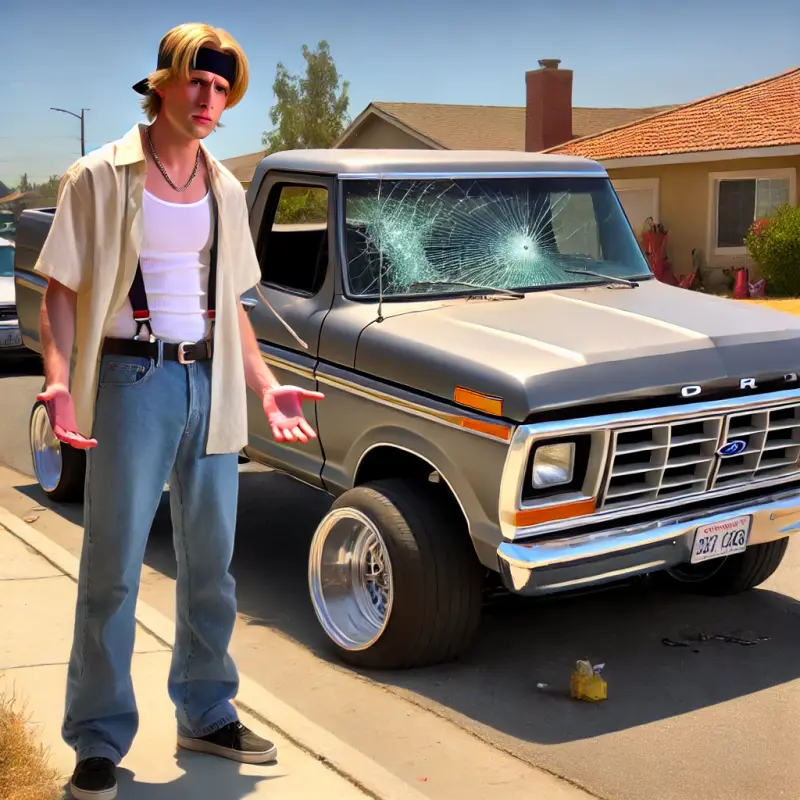
If a crack crosses into the driver’s critical view area or you notice water ingress during rain, move quickly. A cracked windshield Columbia summers bake can spread halfway across the glass by the time you reach the evening commute. The earlier a shop sees it, the more likely a repair is possible or at least a replacement can be scheduled before the situation worsens.
The quiet value of proper curing and post‑install care
The first day after a replacement sets the tone for long‑term performance. Follow the shop’s instructions. Avoid slamming doors while the urethane cures, since pressure spikes push against the fresh bond. Crack a window slightly if you need to close doors firmly. Leave the retention tape on until the shop’s recommended time. Park in shade if possible on very hot days so the bead cures uniformly. Skip automatic car washes for at least 24 to 48 hours, especially those with high‑pressure jets near moldings.
Listen and sniff. A faint urethane smell can linger for a day, but you should not hear wind whistle at highway speed. If you do, it could be a molding clip or a skimpy bead near an edge. Call the shop promptly. Small adjustments early prevent bigger issues later.
Why local knowledge helps
The best auto glass replacement Columbia providers know the local quirks. They’ve replaced dozens of windshields on school‑run SUVs with cameras that like a static‑plus‑dynamic calibration sequence. They know which stretches of I‑20 kick up the worst gravel, which parking garages scrape tall antenna masts, and which import models need a longer primer flash time when humidity spikes. They also maintain relationships with dealers for TSB updates on tricky models. When a particular brand updates a camera bracket specification mid‑year, a local shop that sees the pattern will have the correct part on hand rather than improvising.
That local familiarity extends to scheduling. Summer thunderstorms roll in mid‑afternoon like clockwork. A realistic shop will book mobile jobs in the morning or hold openings in‑shop in the afternoon for replacements and calibrations that shouldn’t be rushed under a pop‑up tent in gusty wind.
A straight comparison to help you choose
Here is a quick, focused comparison to frame your decision.
- OEM glass: best optical quality and feature match, higher cost, often preferred for late‑model vehicles with complex ADAS or HUD. OEE glass: strong value on mainstream models, good fit and clarity when sourced from top manufacturers, lower cost. Aftermarket non‑OEE: variable quality, acceptable for older vehicles or non‑critical applications, verify optics before final acceptance. Shop install: controlled environment, ideal for calibrations and in unsettled weather, requires travel and time on site. Mobile install: convenient at home or work, quality depends on environment control and equipment, may be limited for static calibrations.
What solid workmanship looks like on the invoice
An invoice that inspires confidence lists the glass manufacturer and part number, notes whether the pane is acoustic, solar, heated, or HUD‑compatible, names the urethane used with its lot number, and includes the safe drive‑away time given the conditions. For ADAS, it shows calibration type and a pass record from the scan tool. It also spells out the workmanship warranty.
Some auto glass shop Columbia teams take photos of pre‑existing paint chips around the pinch weld and the bead after application. Those images protect you and the shop. If the shop offers them, accept and keep them with your records.
When a repair preserves more than money
I’ll end with a quiet truth. If a chip can be repaired safely, you keep the factory seal, avoid calibration, and save money. Repairs done within a few days of damage have the best outcomes. That’s why a quick call to an auto glass services Columbia provider when you notice a fresh chip pays back. On the flip side, putting off a growing crack because schedules are tight often turns a repairable ding into a full replacement with calibration and a half‑day out of life. Being decisive helps.
If replacement is necessary, the path is clear. Choose the right glass for your vehicle and budget, demand a clean install with proven urethane, verify ADAS calibration if equipped, and respect the cure. The result should be uneventful driving, quiet roads, and a windshield that does its job without drama. Whether you prefer a shop visit or a mobile auto glass Columbia appointment in your driveway, these basics hold. A properly installed windshield disappears into the drive, which is exactly where it belongs.